2 hr 30 min
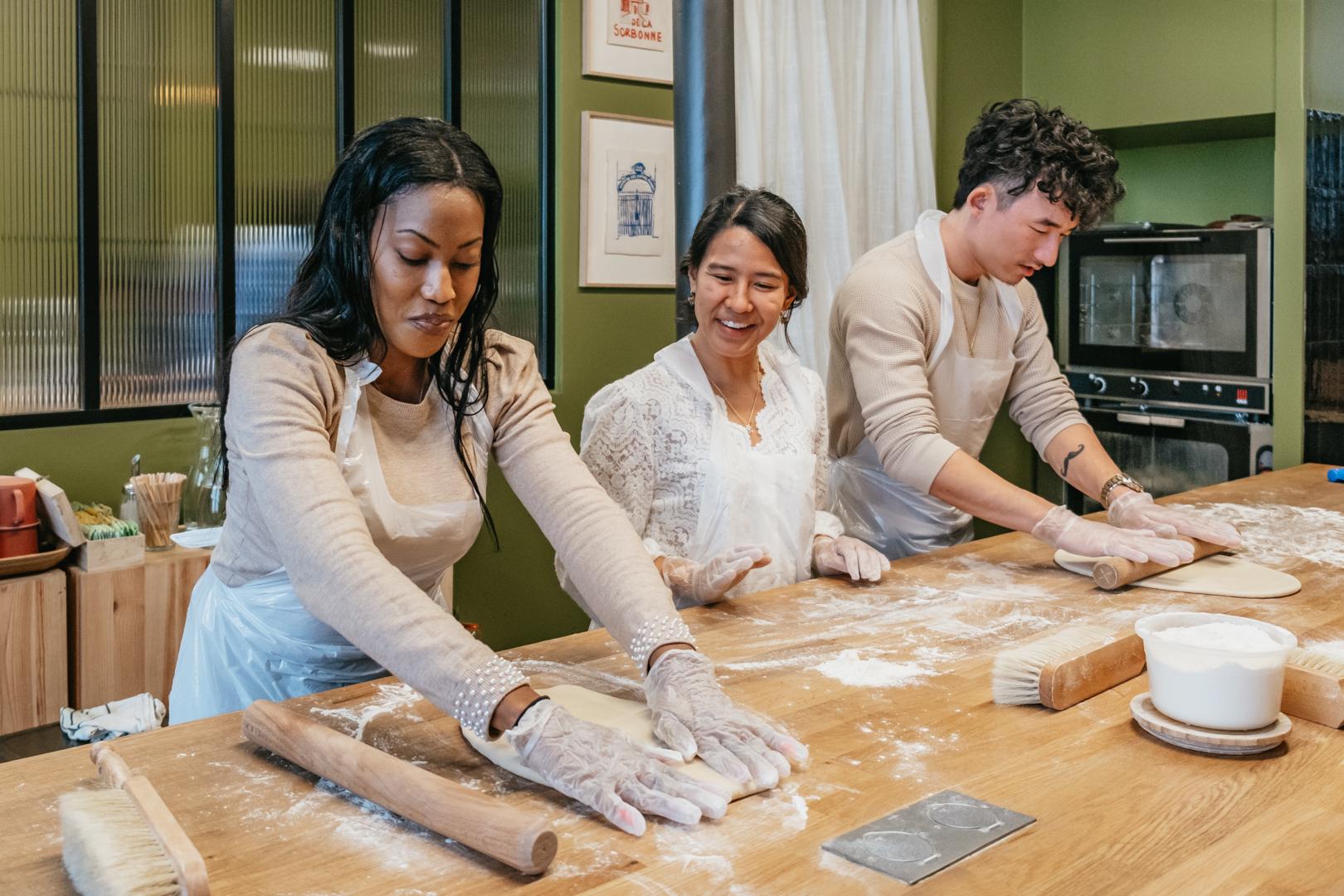
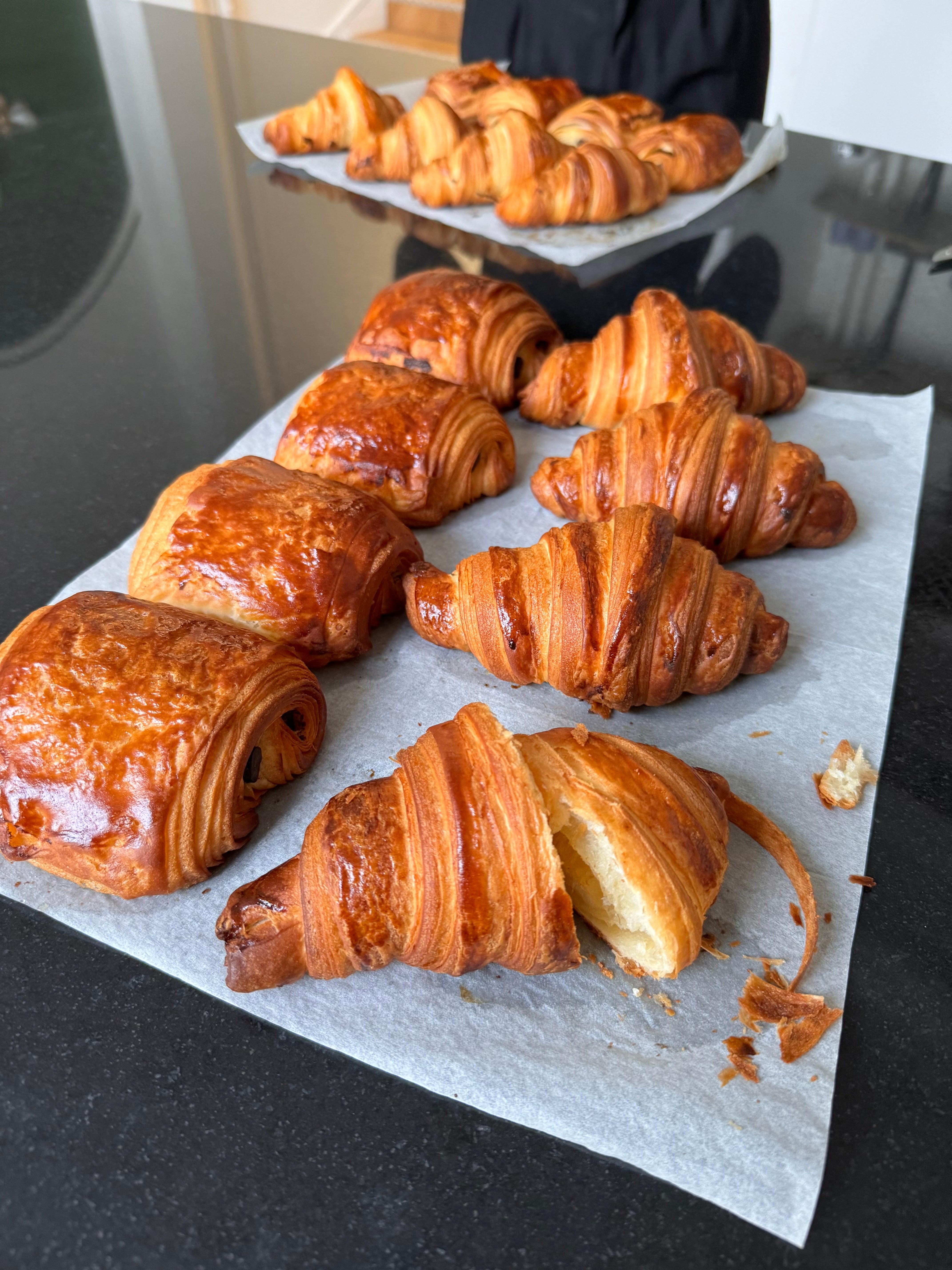
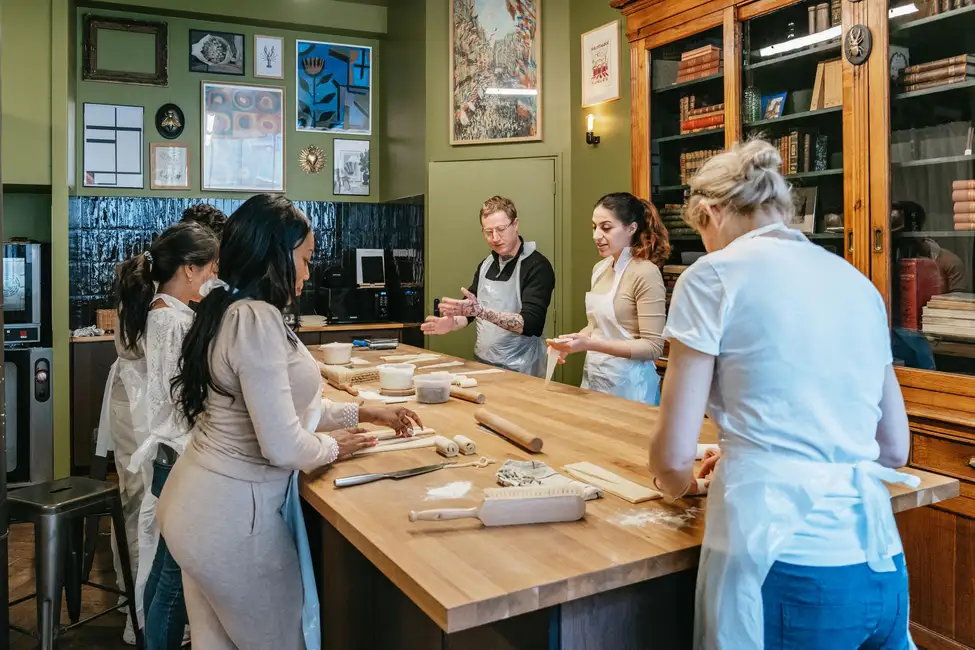
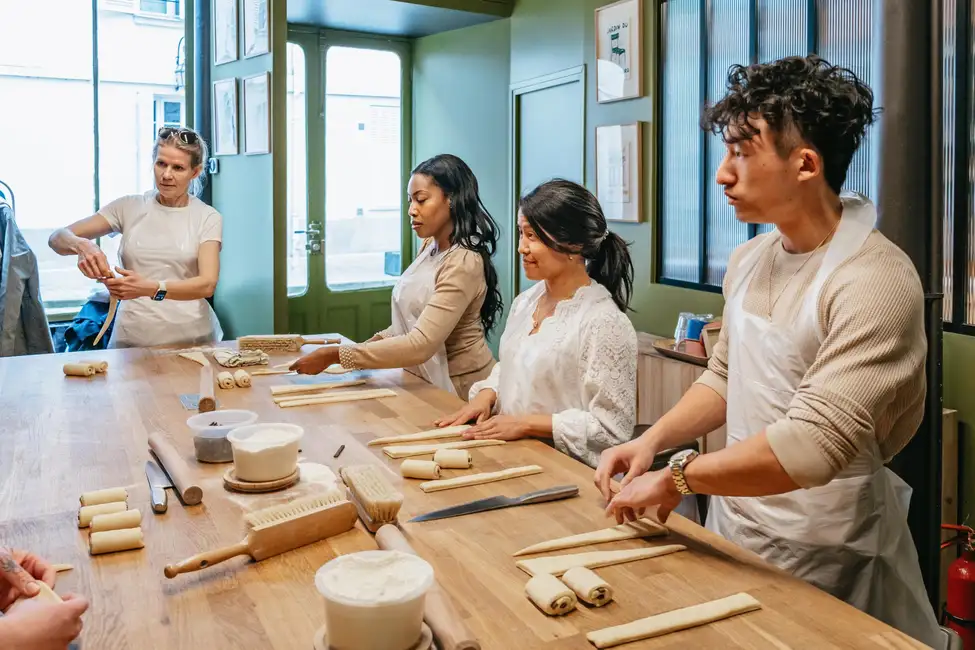
French Croissant Baking Class with Chef
- Private experience
- Personal attention
- Premium amenities
- Free cancellation
Pastry Tour Paris — Croissant, Macaron & Bakery Workshops
Butter folded into three hundred layers, flour still on your sleeve.
Compare fares, pick the fit — all bookings are mobile-voucher and eligible for free cancellation where shown.
2 hr 30 min
2 hr 30 min
1 hr 30 min
Selecting the right pastry tour paris experience depends on your culinary focus and the level of hands-on participation you desire. This guide compares official workshop formats to help you navigate available baking classes.
| Demonstration Workshop Instructional Session |
Top pick Hands-On Masterclass Practical Skill Building |
|
|---|---|---|
| Focus Area | Observation of techniques | Full recipe execution |
| Skill Level | Beginner curiosity | Advanced enthusiasts |
| Included | Recipe booklet and tasting | Tools and professional apron |
| Session Type | Guided demonstration | Interactive participation |
| Best for | Casual observers | Serious home bakers |
| See tickets & prices |
Verdict: Choose the instructional session for a relaxed overview, or book the hands-on masterclass if you prefer an immersive pastry tour paris tour experience.
Worth it for hands-on bakers, not passive snackers
A pastry tour paris booking is not a bakery crawl — it is a workshop where a professional French chef puts laminated dough or macaron batter in your hands. The venue itself charges no entrance fee (0 EUR); what you pay for is the class ticket, and the value math turns on whether you want a skill or a snack. Croissant lamination, piping technique, meringue stability and ganache ratios travel home with you; a box from a Right Bank patisserie does not. Ateliers like the croissant class with chef, the macaron workshop at Galeries Lafayette, or the Parisian bakery workshop with breakfast pay off for cooking-curious travellers, food-obsessed couples and anyone who values conversation with a working boulanger over another queue. If you only want to taste, skip the class and spend that money across three neighbourhood bakeries instead. Guided Paris food tours suit grazers; these workshops suit makers.
Bottom line: Book pastry tour paris tickets if you want to leave France able to bake something; otherwise buy the box and walk on.
They complement each other; most visitors who do both call the baking class the more immersive experience for skill-building.
|
Top pick Paris Baking Class |
Pastry Walking Tour | |
|---|---|---|
| Focus | Hands-on creation | Guided tasting & history |
| Duration | 2–4 hours | 2.5–3 hours |
| Activity Level | Stationary (Kitchen) | Active (Walking) |
| Skill Level | Beginner to advanced | Open to all |
| Take-home | Finished pastries | Sampled treats during tour |
| Group Size | Small group (4–12) | Small group (usually 8–12) |
| Booking Constraint | 2–4 weeks advance | 1–2 weeks advance |
| See tickets & prices |
Verdict: Choose a baking class to master technical recipes, or select a pastry tour paris tour for a relaxed, flavor-focused exploration of city boulangeries.
Hand-picked experiences loved by thousands of travelers
2 hours
Free Cancellation
Step inside a working French boulangerie to watch artisans craft baguettes and enjoy warm pastries
2 hours
Free Cancellation
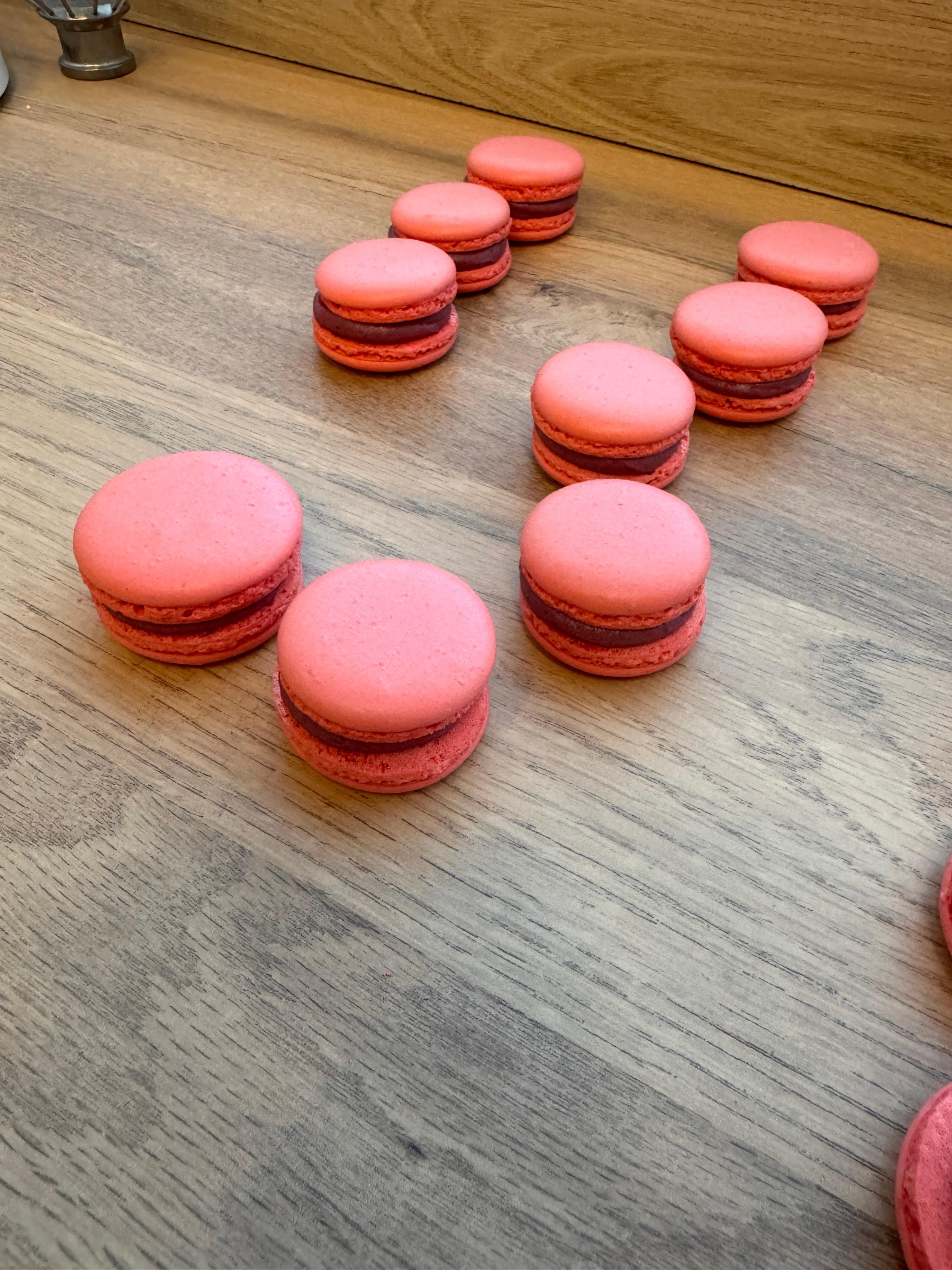
Learn to craft authentic French macarons in a hands-on class designed for families and young bakers
3 hours
Free Cancellation
Savor award-winning chocolates and French pastries in Paris's elegant 6th arrondissement
2 hours
Free Cancellation
Master traditional French pastry techniques in an intimate bakery setting with expert instruction
2.5 hours
Free Cancellation
Spend an afternoon mastering Tarte Tatin and Madeleines in a welcoming home kitchen guided by a local mamie
2.5 hours
Free Cancellation
Master the art of French macaron making in a hands-on class led by an expert pastry instructor
3 hours
Free Cancellation
Master the art of French pastry in an intimate kitchen setting with professional instruction
5 hours
Free Cancellation
Master traditional French culinary methods in an intimate Latin Quarter kitchen, then enjoy your creations
Meet the chef and review the recipe for your pastry tour paris session.
Hands-on mixing and ingredient measurement for authentic French doughs.
Oven management and technical temperature control training.
Final critique and tasting of your freshly baked goods.
You arrive in Paris with flour on your mind and nothing on your hands yet. Sessions run in the morning or the afternoon, so you come inside the 09:00–17:00 window and take the earlier slot if you want the long prep.
A chef hands you an apron, points you to the sink, and sets a chilled block of butter on marble in front of you.
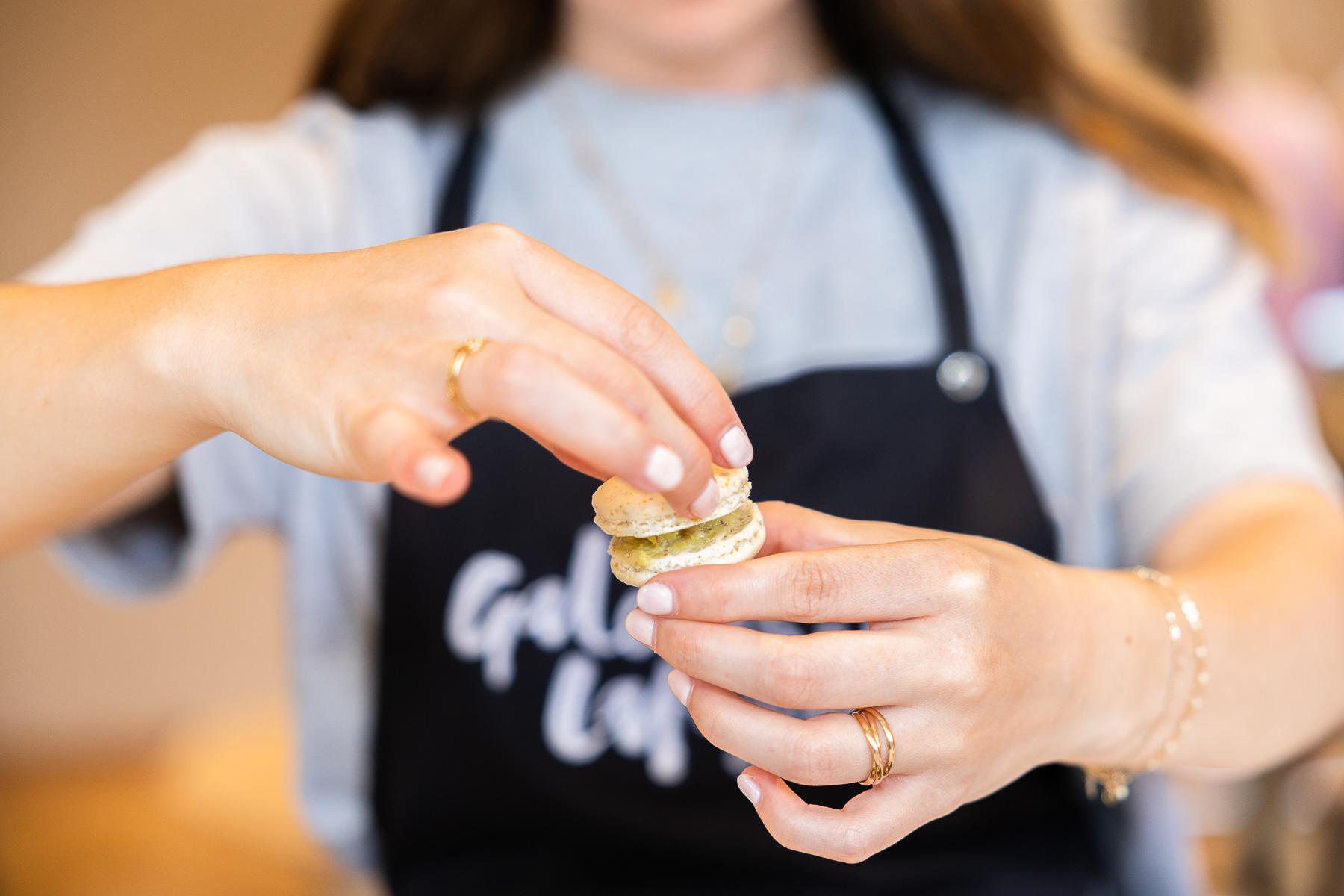
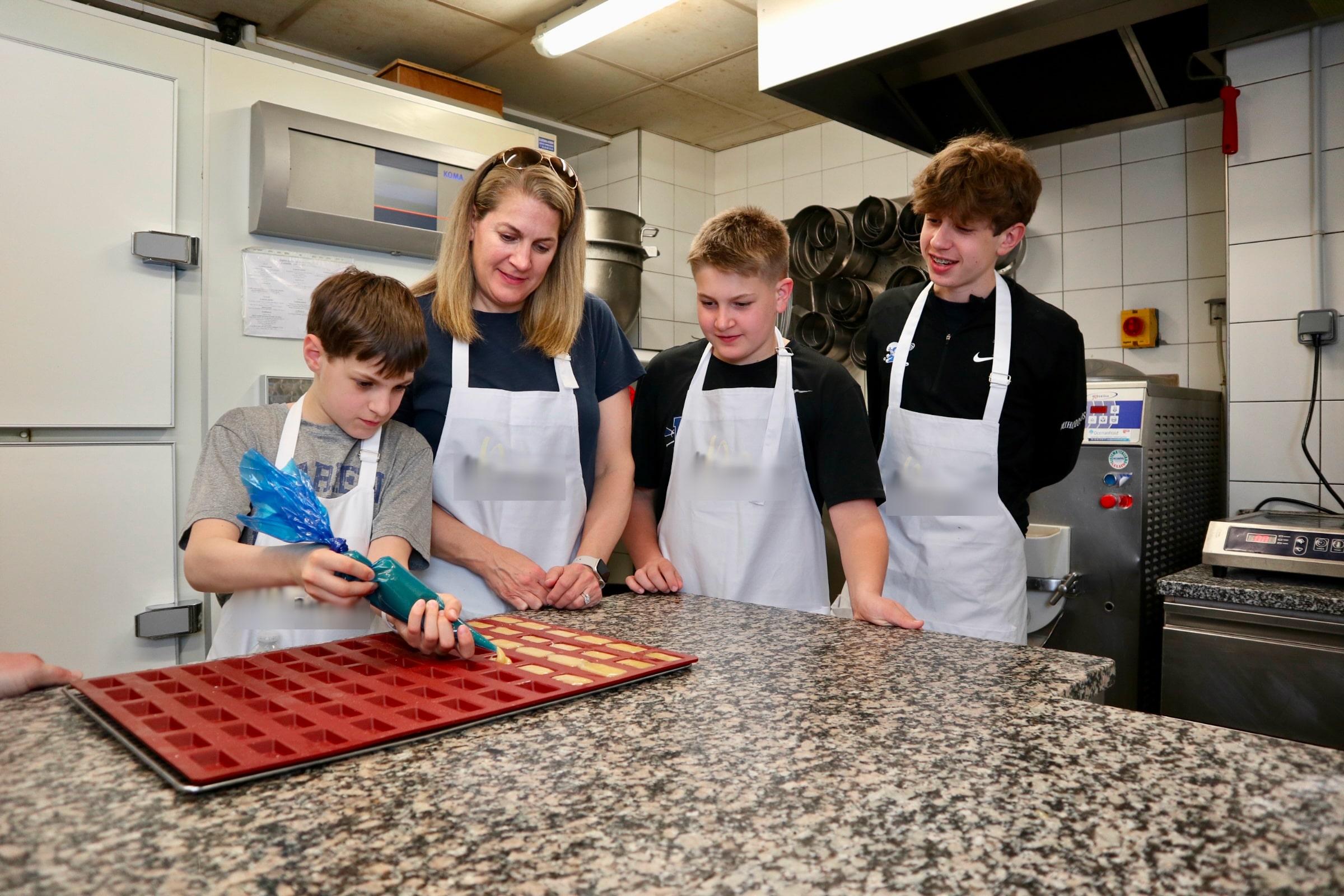
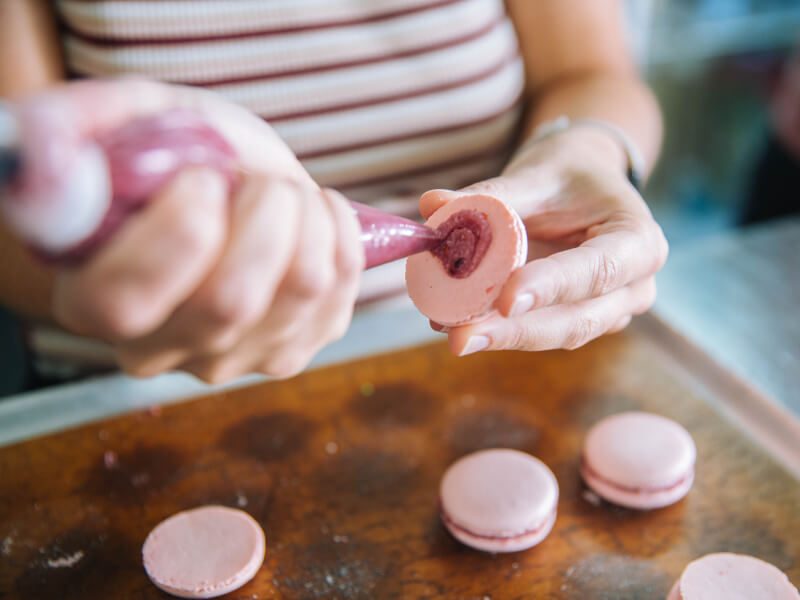
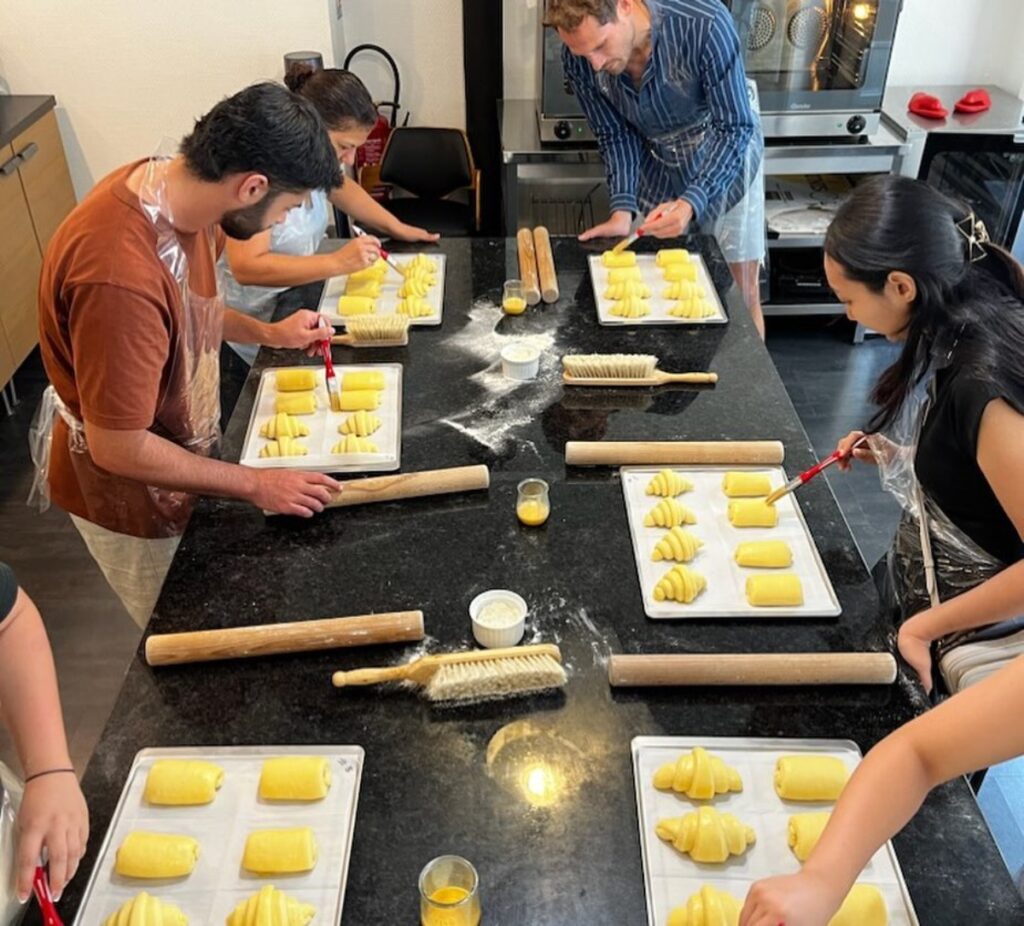
You start by folding. Three turns, each one flattening butter into dough that must stay cold, each one resting under wrap while your forearms recover. For macaron work you swap the rolling pin for a bowl and fold meringue into almond flour until the batter ribbons off the spatula and settles back into itself. You pipe rows onto a tray, rap it twice against the bench, and wait for the shells to skin over.
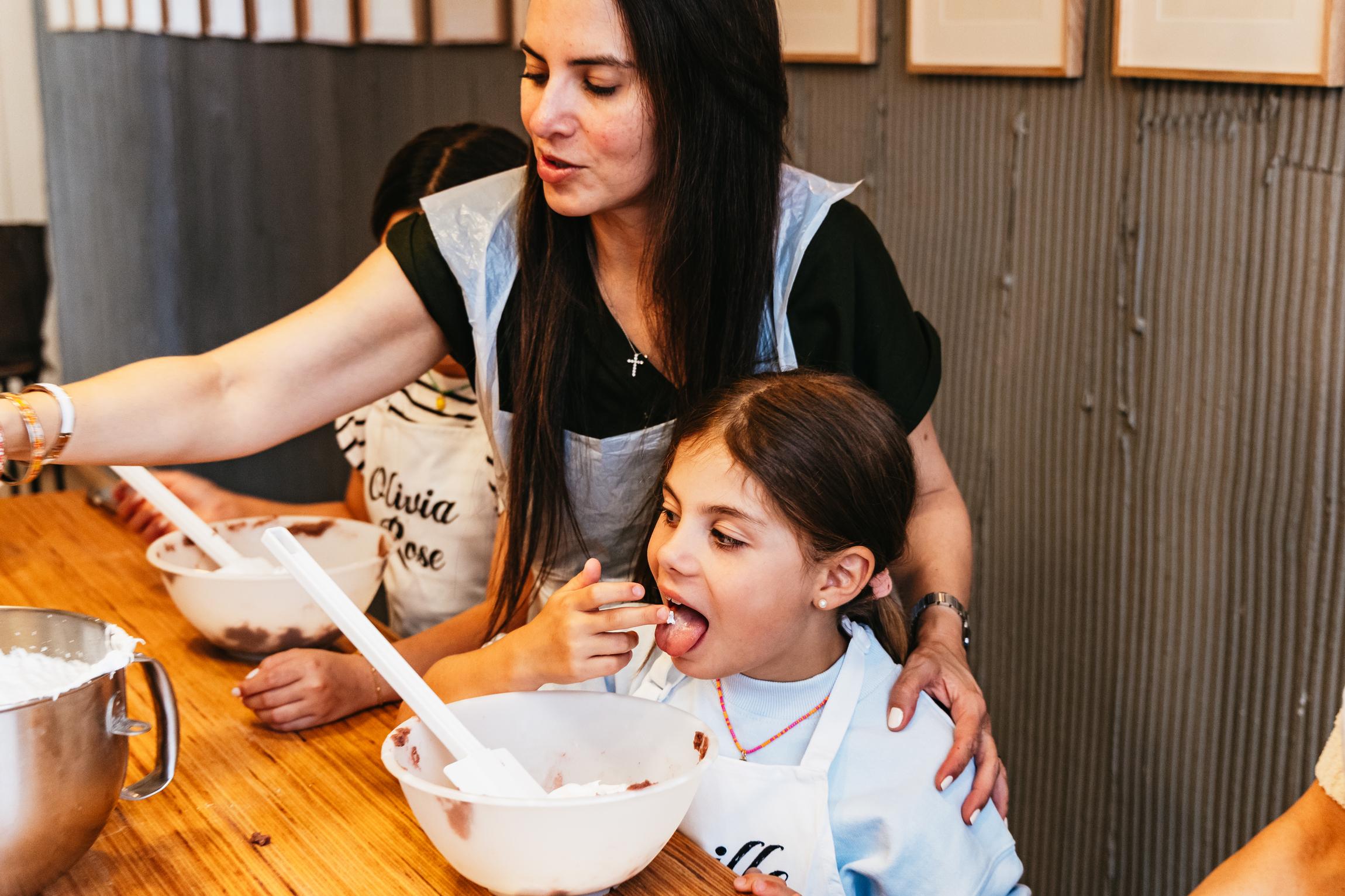
Then the oven. You watch through glass as layers lift and the kitchen fills with the smell of caramelising sugar. You fill your shells, taste one warm, and box the rest. Some workshops end with breakfast at the bench; the family sessions leave you elbow to elbow with children piping crooked circles. Doors close at 18:00 on this pastry tour paris, and you leave carrying a box you made yourself.
All the details about your upcoming adventure in one place
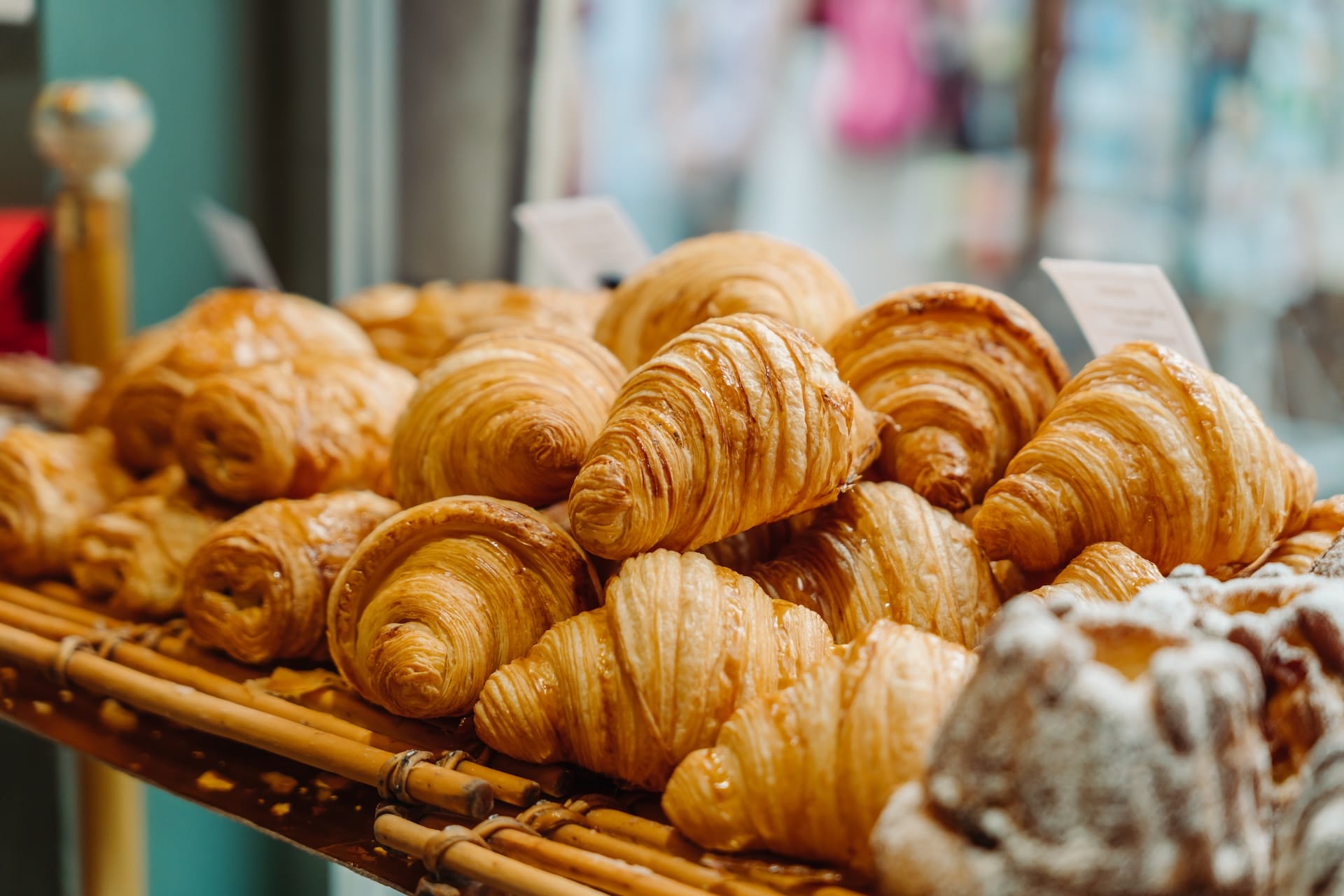
A croissant made to French standard carries 27 layers of laminated dough, built from three folds of butter and flour that must never warm above 16°C.
That single constraint explains the shape of Parisian pastry work: cold rooms, marble counters, early hours, and a discipline that has changed very little since the technique settled into its modern form in the early twentieth century.
The city's baking culture is regulated as much as it is romanticised. The 1993 Décret Pain established that a loaf sold as pain de tradition française may contain only flour, water, salt and yeast, and must be kneaded, shaped and baked on the premises where it is sold. Viennoiserie followed a similar logic of proof: an artisan boulangerie earns its title through work done on site, not through a delivery van. Any credible pastry tour paris follows that rule too, moving through rooms where dough is actually turned rather than displayed.
The macaron travelled a longer road. Almond-and-sugar discs appear in French convent records from the sixteenth century, plain and single-shelled. The double-shell version with ganache between — the macaron parisien — is a nineteenth-century Parisian invention, refined by pâtissiers on the Right Bank and later industrialised into the pastel rows now stacked in department-store vitrines. Galeries Lafayette, opened on Boulevard Haussmann in 1894, sits at the meeting point of that commercial history and the craft that preceded it.
What a Paris pastry workshop tour preserves is the physical knowledge behind those objects. Macaronage — folding meringue into almond flour until the batter falls in a ribbon and reabsorbs within roughly 20 seconds — cannot be learned from a recipe card. Nor can the sound of a properly détrempé dough, or the moment a piped shell forms its skin before baking. Chefs teach these thresholds by touch, and the small class formats that dominate the city's culinary schools exist for exactly that reason.
This matters now because Paris has more pastry students than at any point in its history, many of them visitors on short stays. The workshops listed here — croissant lamination, macaron technique, a bakery session with breakfast — are the working version of that appetite. Entry to the district and its bakery windows costs 0 EUR; the classes themselves are paid ticketed events, run as morning or afternoon sessions from Monday to Saturday. Booking a pastry tour paris tour is, in the end, buying access to a craft that resists being written down.

Macaronage cannot be learned from a recipe card — chefs teach these thresholds by touch.
Casual and comfortable clothing is recommended for your pastry tour paris session. Closed-toe shoes are required for safety in the kitchen environment.
Large backpacks and luggage are not permitted in the kitchen workspace. Secure storage for personal items is limited at the Paris Baking Class facility.
Photography is permitted during most segments of your culinary journey. Please respect the instructor and fellow participants while documenting your pastry tour paris experience.
Family members are welcome to join classes designed for all ages. Check the specific age requirements for each booked pastry tour paris session.
The Paris Baking Class kitchen is accessible for most guests. Please contact the operator in advance to discuss specific needs for your pastry tour paris visit.
Participants may consume the items prepared during the class. External food and beverages are not allowed inside the pastry tour paris kitchen space.
Opening Hours
09:00–18:00
Address
Paris, France
Entry Fee
0 EUR
Arrival
09:00–17:00
Storage
No lockers available
Navigation
City center access
Public transport · 20 min · Free with pass
Use Metro line 1 or 4 to reach the central district.
Taxi · 15 min · Variable rates
Request drop-off at the nearest city center junction.
Full refunds are available for specialized classes canceled at least 24 hours in advance. No refunds are provided for no-shows or late arrivals.
Recommended time
1.5–3 hours
A typical pastry tour paris involves hands-on instruction lasting between 90 minutes and 3 hours. Visitors should arrive early during the 09:00–17:00 window for ingredient prep and to master essential techniques like tempering chocolate or laminating dough. Managing your time effectively for these Paris baking classes ensures you can fully engage with the instructor's demonstrations. Booking pastry tour paris tickets in advance helps secure your spot, while checking pastry tour paris tours availability allows you to plan around less busy sessions.
Crowd levels through the day
Weather · crowds · average price — dots go green to amber to red as each metric rises.
Mild weather is ideal for walking to your pastry tour paris meeting point.
Classes for a pastry tour paris trip often fill up weeks in advance.
Start your day with a fresh croissant class to beat the afternoon crowds.
Notify the team about dietary restrictions before your pastry tour paris tickets are confirmed.
You will be standing for several hours while learning to pipe dough.
Ask your instructor for secret ingredient shops near the pastry tour paris venue.
Paris, France
Look for the blue door near the main square.
Get directionsParis did not invent pastry, but it codified it. The turning point came in 1638, when a Florentine-trained confectioner's guild statute in the city separated pâtissiers from bakers of bread. That division still governs the workshops a pastry tour paris itinerary visits today. The guild demanded proof of skill: a candidate produced a chef-d'œuvre before his masters. The apprenticeship model survives, softened, in modern class kitchens. The nineteenth century supplied the vocabulary. Antonin Carême, born in Paris in 1784 and abandoned as a child near the Barrière du Maine, formalised the pièce montée and standardised choux paste. Auguste Julien exhibited the savarin in 1845, adapting the Polish baba sold on the rue Montorgueil. Louis Durand, working at 1908 on the rue de la Fontaine in Auteuil, ringed a wheel of choux for the Paris–Brest–Paris cycle race; the name stuck. Each of these recipes still appears on visite pâtissière à Paris workshop sheets. Disaster came twice. The 1870 siege reduced flour to bran and horse fat, closing most pâtisseries. Rationing after 1940 removed butter, sugar and eggs simultaneously; several houses shuttered permanently. Recovery was slow. Not until the 1990s did figures such as Pierre Hermé restore ambition, reworking the macaron into the two-shell form now taught in every hands-on session. Demand for a Paris culinary tour rose accordingly. What survives is method rather than monument. Laminated dough still rests at controlled temperature; caramel is still judged by colour, not thermometer. Classes run Monday to Saturday, 09:00–18:00, closed Sunday, with pastry tour paris tours drawing on that inherited discipline. Entry to the district itself is free at 0 EUR; the specialised sessions are ticketed, and pastry tour paris tickets are issued per class through the operator grid below. Arrive between 09:00 and 17:00. A pastry tour paris tour rewards early arrival, as prep begins before the first fold.
A Paris guild statute formally separates pâtissiers from bread bakers, establishing pastry as an independent trade.
Antonin Carême is born in Paris; he later codifies choux paste and the architectural pièce montée.
Auguste Julien presents the savarin, adapted from the Polish baba sold around rue Montorgueil.
The siege of Paris strips flour, butter and sugar from the city, closing the majority of its pâtisseries.
Louis Durand of Auteuil rings choux pastry into a wheel and names it Paris-Brest after the cycle race.
Wartime rationing removes butter, eggs and sugar together, permanently shuttering several established houses.
Pierre Hermé reworks the macaron into its modern two-shell form, reviving international interest in Paris pastry.
Hands-on workshop formats spread across the city, teaching guild-era lamination and sugar technique to visitors.
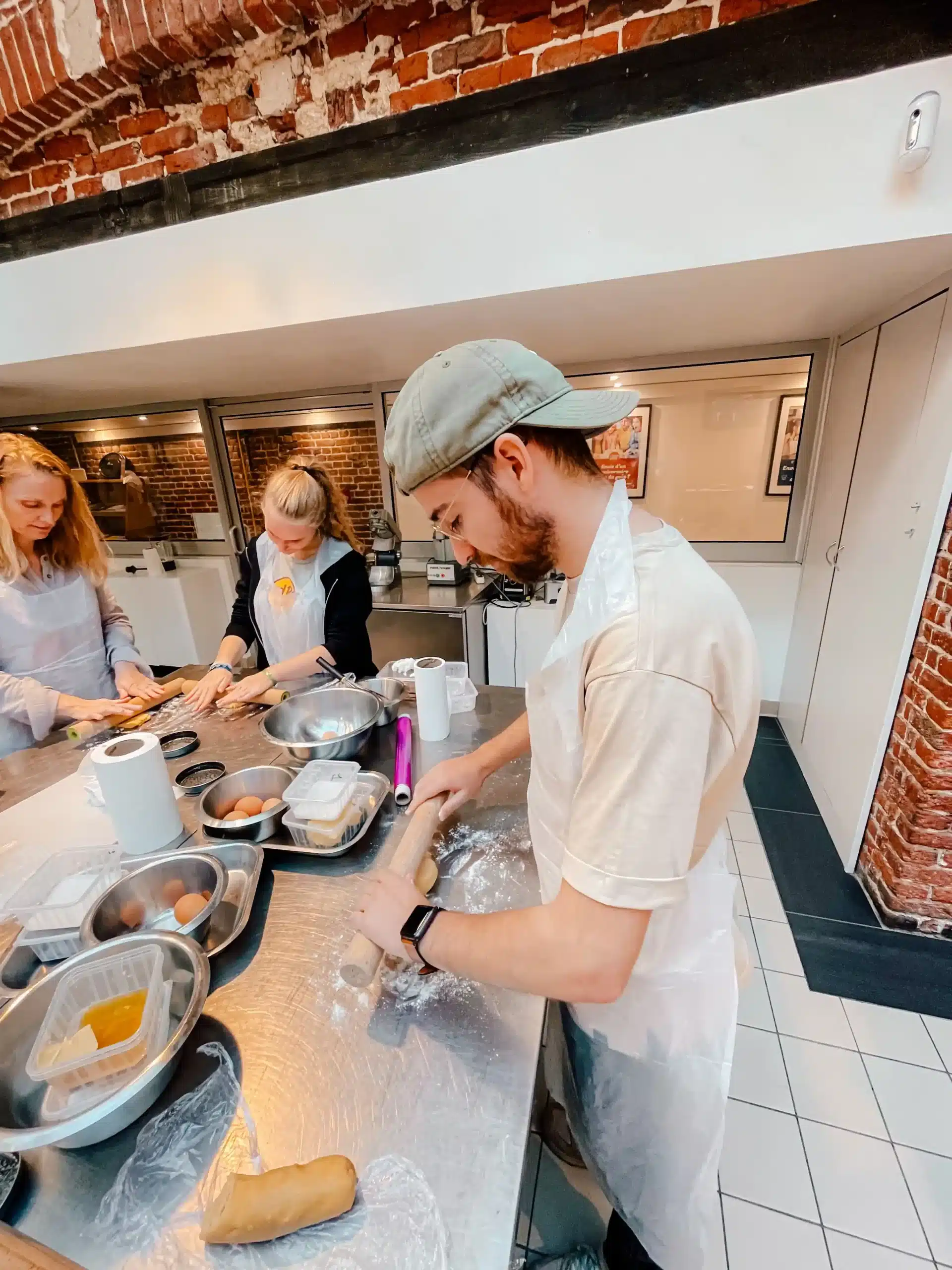
Stand at the end of the central workspace to capture a wide-angle shot of the instructor layering dough or glazing tarts. This angle provides a clean view of the stainless steel surfaces and professional equipment for your pastry tour paris content.
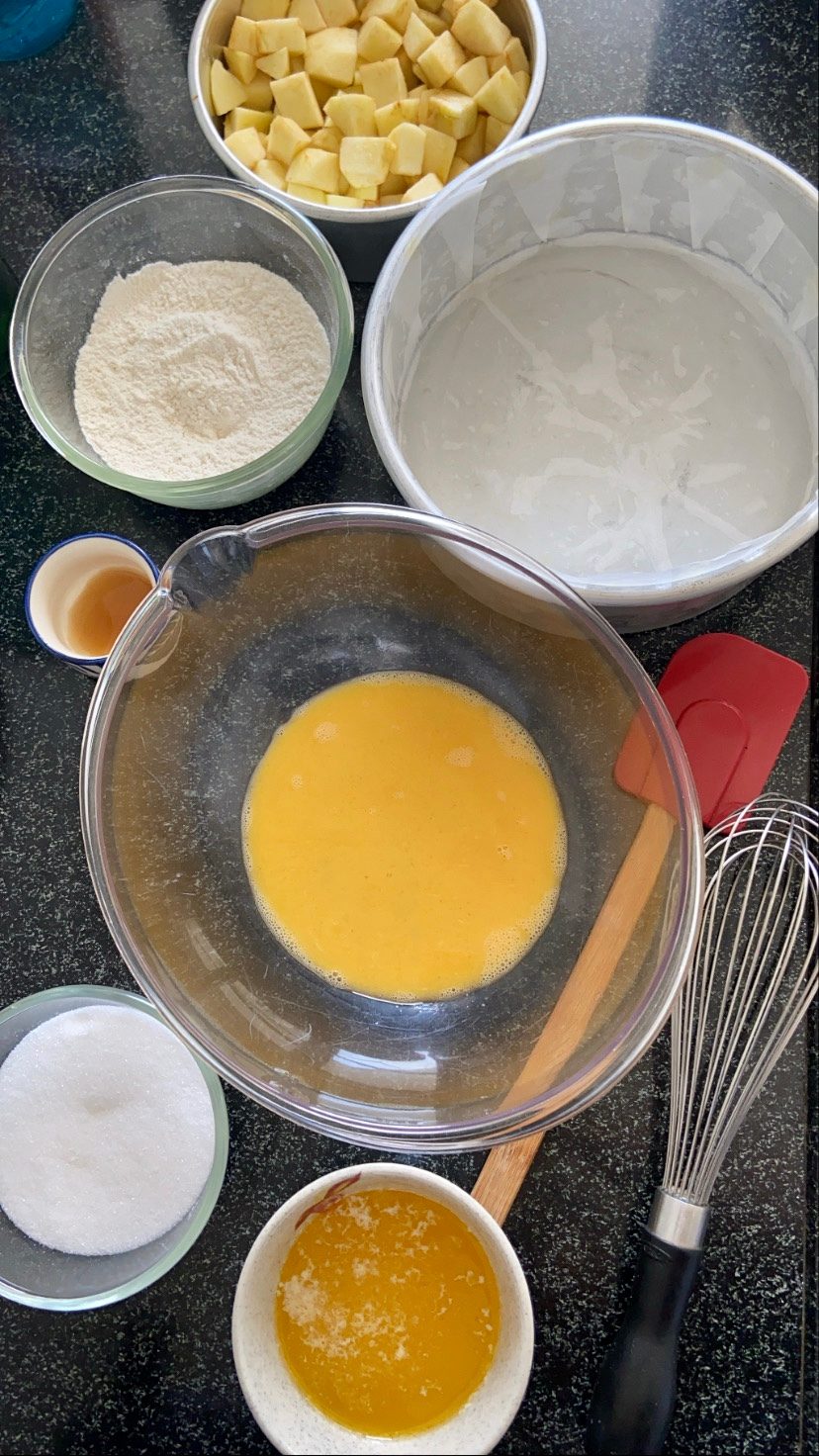
Focus your lens on the organized bowls of flour, butter, and sugar arranged in the prep area. This shallow depth-of-field shot highlights the raw components used during a traditional French cooking workshop.
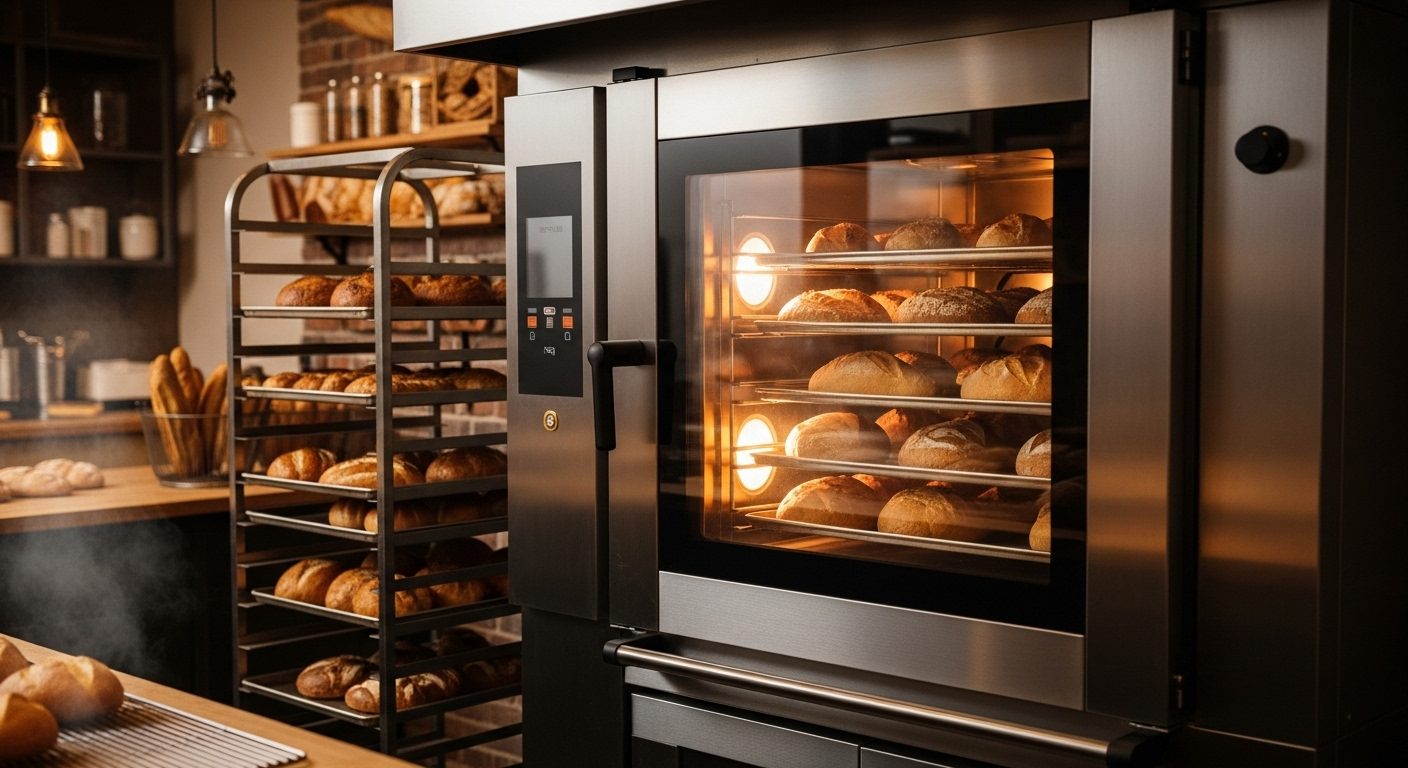
Capture the moment pastries rise through the heat-resistant glass of the professional deck oven. Position yourself slightly to the side to avoid kitchen glare when documenting this aspect of a pastry tour paris tour.
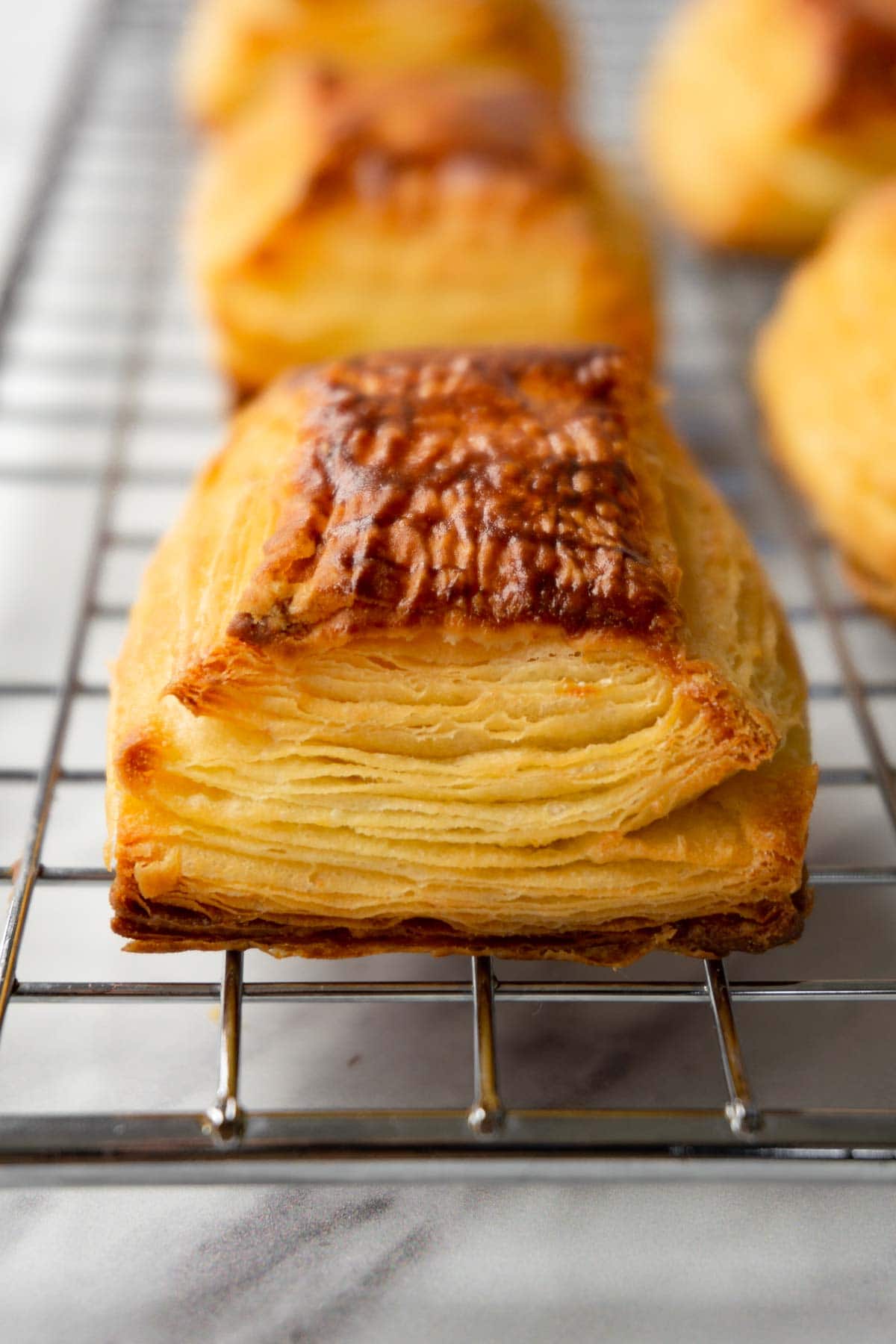
Set your camera at eye level near the cooling racks to photograph the final presentation of finished macarons or eclairs. This spot is ideal for close-ups of delicate textures and sugar work for those booking pastry tour paris tickets.
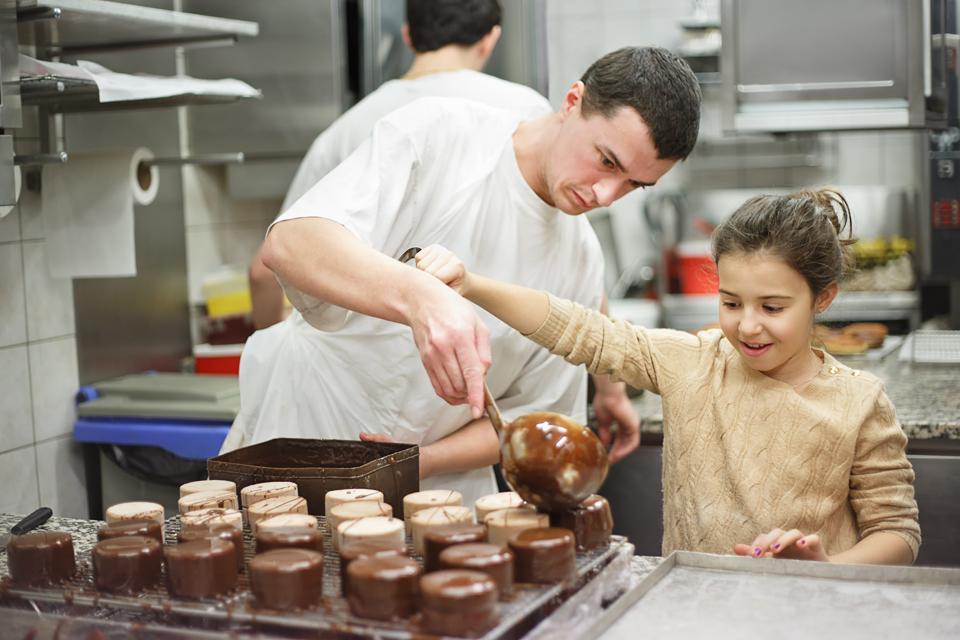
Engaging in a pastry tour paris allows children to explore French culinary traditions through hands-on learning. These interactive classes are designed to be accessible for families who want to master artisanal techniques together.
The workspace is compact, so strollers should be left at your accommodation or folded securely in designated areas. Please note that maneuvering large prams inside the kitchen during a busy pastry tour paris tour is not feasible.
Children aged eight and older typically gain the most from these sessions, as they require focus for measuring ingredients and decorating. Younger siblings are welcome to observe, though pastry tour paris tickets must be purchased for anyone participating in the hands-on creation process.
There are no specific baby-change facilities within the studio, so please plan accordingly before arriving at the address in Paris, France. Most sessions are located near public amenities for your convenience.
Sessions follow a structured timeline where students prepare dough or filling; arrive within the best arrival window of 09:00–17:00 to settle in before the demonstration begins. This ensures you do not miss the foundational steps of your Paris baking workshop.
Since you will be consuming your own creations, these classes serve as a light snack experience rather than a full meal. Consider booking pastry tour paris tours that align with your family's lunch or afternoon snack schedule.
Finding quality refreshments is easy near your pastry tour paris destination, as the surrounding streets are lined with world-class boulangeries. Whether you seek a classic macaron or artisanal viennoiserie, many local shops are located within a short walk of your Paris Baking Class.
Famous for creative macarons and seasonal tarts, this shop is a short walk from many central class locations. Arrive before noon to ensure the best selection of their signature Ispahan.
Everything you need to know for your journey
The kitchen operates Monday through Saturday from 09:00–18:00. Special classes require booking in advance.
Yes, pastry tour paris tickets must be purchased online to guarantee a spot.
The Paris Baking Class kitchen is generally accessible, but advance notice is suggested.
No, please avoid bringing large bags to your pastry tour paris class for space reasons.
Morning sessions starting at 09:00 offer the best experience for your pastry tour paris itinerary.
Yes, you can take photos during your pastry tour paris tour.
Children are welcome, provided they meet the age requirements for the specific class.
Full refunds are issued if you cancel 24 hours before your pastry tour paris tour.
Yes, you will consume the items made during the session as part of the pastry tour paris experience.
World-famous art museum housing the Mona Lisa.
Upscale rooms near the city center.
Charming local guest house experience.
Convenient access to all major transit routes.
Join thousands of happy travelers who have discovered this incredible experience
Book Your Experience Now